

Operating Precautions for Vacuum Homogenizer Emulsifier
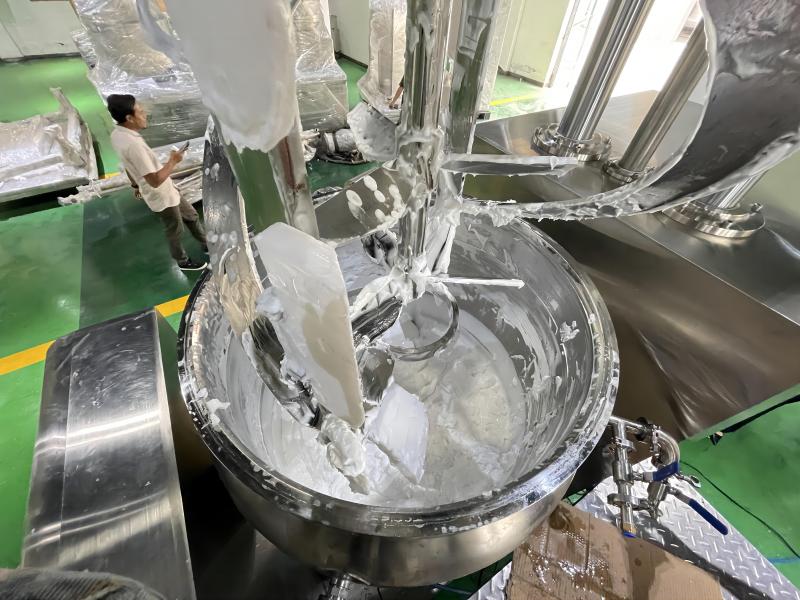
To ensure stable production of cosmetics, skin care products, mayonnaise and other similar emulsified products, as well as to extend the service life of the vacuum homogenizer emulsifier, strict compliance with operating specifications is essential. This document summarizes key safety and operational guidelines covering pre-operation preparation, in-process control, post-operation cleaning and maintenance, along with targeted safety reminders for industrial production scenarios.
Checklist for Vacuum Homogenizer Emulsifier
1. Pre‑Operation Preparation & Equipment Inspection
-
Read the Operation ManualOperating parameters and structural designs vary by manufacturer and model. Always read the official instruction manual thoroughly before startup to avoid improper operation.
-
Check Equipment Installation & SealingConfirm that the homogenizing head, stirring paddles, and connecting components are securely installed. Check the vacuum sealing ring, feeding port, and discharge valve for tightness to ensure effective vacuum formation during operation.
-
Raw Material PreparationPre-process raw materials according to formula requirements. Hard or agglomerated materials should be crushed or dissolved in advance to prevent damage to the homogenizer blades and shearing structure.Maintain consistent temperature of liquid raw materials for stable emulsification and homogenization effects.
-
Check Auxiliary SystemsVerify that the vacuum system, heating/cooling system, and control panel are functioning normally. Ensure the equipment is grounded reliably for electrical safety.
2. During Operation: Safety & Process Control
-
Basic Safety ProtocolsDo not touch the rotating parts, homogenizing head, or high-temperature surfaces while the machine is running.Do not plug or unplug the power supply with wet hands. Operators should wear proper protective equipment during production.
-
Standard Startup ProcedureClose the feeding and discharge valves before starting. Establish the required vacuum level gradually to avoid sudden pressure changes.Start the stirring system first, then activate the homogenizing module according to the process sequence.
-
Homogenization & Emulsification ControlFeed materials steadily according to the process flow. Avoid sudden large-volume feeding that may cause overloading.Adjust homogenizing speed and stirring intensity based on product requirements. Maintain stable vacuum and temperature during the entire emulsification process.
-
Avoid Overload & Abnormal OperationDo not exceed the rated working capacity of the emulsifier tank.Do not process excessively hard, solid, or highly abrasive materials that may wear the homogenizing structure.Immediately stop the machine if abnormal vibration, noise, or overheating occurs.
3. After Operation: Cleaning & Maintenance
-
Power Off & Pressure ReleaseStop all running modules, cut off the main power supply, and release the internal vacuum safely before cleaning or inspection.
-
Cleaning ProceduresRinse the homogenizing chamber, stirring parts, and inner tank with clean water or approved cleaning solution immediately after production.Important: Do not immerse the control cabinet, motor, or electrical parts in water or rinse them directly with water to prevent short circuits and equipment damage.
-
Component CareUse soft brushes or non-abrasive tools for cleaning. Do not use steel wool or corrosive detergents that may scratch the inner surface.If CIP (clean-in-place) is available, follow the specified cleaning procedure.
-
Drying & StorageDrain residual liquid completely. Keep the tank cover open for ventilation and drying.Store the equipment in a dry, ventilated environment away from direct sunlight and moisture.
4. Special Safety & Maintenance Notes
-
Vacuum System SafetyStrictly prohibit opening the feeding or manhole cover under vacuum conditions to prevent suction hazards.Regularly check the vacuum pump and pipeline for leaks or blockages.
-
Motor & Transmission SystemAvoid prolonged idling without materials, which may cause overheating and damage.Confirm the rotation direction is correct before formal operation; reverse rotation is strictly prohibited.
-
Regular MaintenanceRegularly inspect and replace worn seals, homogenizing heads, and bearings.Apply food-grade lubricants to designated moving parts as required by the manual.Establish a maintenance record to ensure long-term stable performance of the equipment.
Post time: Jul-20-2026


